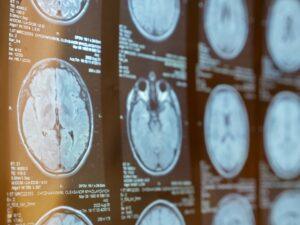
Neuropsychological exams provide objective evidence of cognitive impairments that aren’t visible on CT scans or MRIs, making them valuable tools in Aurora brain injury claims. These specialized tests measure memory, attention, problem-solving, and other mental functions that may be affected by a traumatic brain injury.
Brain injuries often cause invisible symptoms that insurance companies try to minimize. If you’ve suffered a head injury and need help understanding your legal options, a personal injury lawyer in Aurora can explain how neuropsych testing might support your case.
What is a Neuropsychological Exam?
A neuropsychological exam is a series of tests that measure how your brain is working after an injury. Unlike imaging tests that show physical damage, these exams assess cognitive function. A trained neuropsychologist administers standardized tests that evaluate multiple areas of brain function.
The exam typically takes three to six hours and covers several cognitive domains. You might complete memory tests, attention tasks, language exercises, and problem-solving activities. The neuropsychologist compares your results to expected performance based on your age, education, and background.
These exams are different from routine medical evaluations. While your doctor might ask simple questions about the date or your location as a quick diagnosis, neuropsych testing goes much deeper. The tests can detect subtle impairments that affect your daily life but might not be obvious to friends, family, or even treating physicians.

How Neuropsych Exams Strengthen Brain Injury Claims
Insurance companies often question the severity of brain injuries when imaging tests look normal. Many traumatic brain injuries involve microscopic damage that doesn’t show up on scans. Neuropsych testing provides objective evidence that insurance adjusters can’t easily dismiss.
The exam creates a detailed description of your cognitive abilities after the injury. This documentation becomes crucial if the insurance company claims your symptoms are exaggerated or unrelated to the accident. The standardized nature of the tests makes results difficult to challenge.
Results can reveal specific patterns of impairment consistent with traumatic brain injury. For example, the testing might show reduced processing speed, memory problems, or difficulty with executive functions. These patterns help establish causation between the accident and your cognitive symptoms.

What Brain Functions Do These Exams Measure?
Neuropsych testing evaluates multiple aspects of cognition that may be affected by head trauma.
Memory Testing
Memory testing includes both short-term and long-term recall abilities. You might need to remember word lists, stories, or visual patterns after various delays.
Attention and Concentration
Attention and concentration assessments measure how well you can focus and maintain mental effort. These tests reveal whether you can stay on task or get easily distracted. Processing speed tests show how quickly your brain can handle information and respond to stimuli.
Executive Function
Executive function tests evaluate your ability to plan, organize, and make decisions. Language assessments check your ability to understand, speak, read, and write. Visual-spatial tests measure how you perceive and manipulate visual information. Motor function tests examine coordination and fine motor control.
The comprehensive nature of these exams means they can detect problems that affect specific areas of your life. Some people have trouble learning new information but can remember old memories. Others struggle with multitasking or become easily confused. The testing identifies exactly where your brain is having difficulty.

When Should You Get a Neuropsych Exam?
Timing matters when it comes to neuropsych testing for legal claims. If you’ve had a concussion, moderate brain injury, or any head trauma with symptoms lasting more than a few weeks, consider getting tested. Persistent headaches, memory problems, difficulty concentrating, mood changes, or trouble at work are all reasons to seek evaluation.
Your treating physician might recommend testing if they suspect cognitive impairments. However, you don’t need to wait for a referral to discuss testing with your attorney. Early documentation of cognitive problems strengthens your claim before the insurance company can argue your symptoms are improving.
Some injuries require testing months after the accident to capture the full picture of permanent impairments. Certain brain injury symptoms don’t become apparent until you try to return to normal activities. The neuropsychologist can explain the appropriate timing based on your specific injury and recovery pattern.
How Insurance Companies Respond to Neuropsych Evidence
Insurance adjusters may try to minimize neuropsych findings by claiming you didn’t try your best on tests. This is why working with an experienced neuropsychologist who documents your effort throughout the exam is important. The examiner notes whether you appear to give full effort and whether results are consistent with symptom reports.
Some insurance companies request their own independent medical examination with a different neuropsychologist. These defense exams often produce different results because the insurance company’s doctor is looking for reasons to deny your claim. Your attorney can challenge biased evaluations and emphasize findings from your treating neuropsychologist.
Adjusters might argue that stress, depression, or pre-existing conditions explain your test results. Your attorney can present medical records showing you had no cognitive problems before the accident. The neuropsychologist’s report should address alternative explanations and explain why traumatic brain injury is the most likely cause.
See if a Neuropsych Exam Would Be Useful in Your Brain Injury Claim
Neuropsych exams are useful for providing the objective evidence needed to prove cognitive impairments that insurance companies might otherwise deny. If you’ve suffered a head injury in Aurora and need help building a strong claim, contact Charlie Therman Injury & Accident Lawyers, P.C. for a free consultation.
With 75 years of combined legal experience, our team knows how to use neuropsych testing results to maximize compensation for brain injury victims. Choose Charlie and get the dedicated representation you deserve.