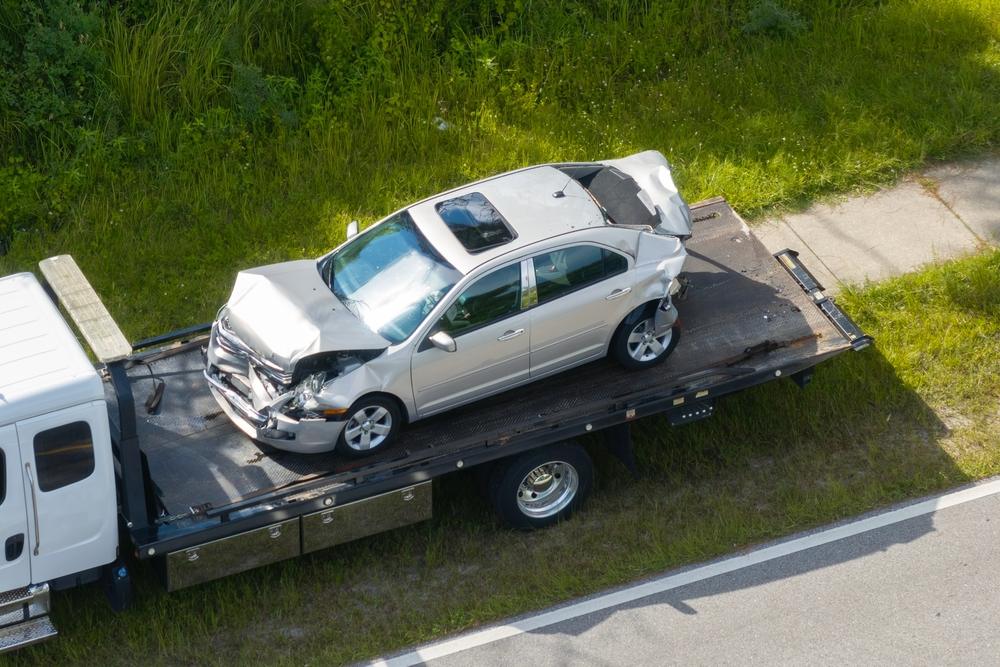
Accidents can happen in an instant and have long-lasting effects on your health. If you had an injury that worsened due to someone else’s negligence, you may be wondering whether you can get compensation for aggravation of a prior injury in Aurora.
After an accident, it’s natural to be unsure about what to do next. An Aurora personal injury lawyer from Charlie Therman Injury & Accident Lawyers, P.C., can assess your case and help determine whether you are eligible for compensation.
Can You Get Compensation for Aggravation of an Injury in Aurora?
Yes, you can pursue compensation for an aggravated injury in Aurora if you can prove that the accident or negligence directly caused a worsening of your pre-existing condition. To qualify for compensation, it is important to establish:
- The pre–existing condition: Medical records, prior treatment history, and documentation of the previous injury can attest to its existence.
- The aggravation: You will need evidence that the accident worsened the condition, such as imaging tests, medical evaluations, and expert opinions.
- The negligence or fault: You will need proof that another party caused the accident, such as witness statements, police reports, or video footage.
A personal injury lawyer in Aurora can help gather evidence to strengthen your claim.

Common Types of Injuries That Can Be Aggravated
Aggravated injury cases involve all types of conditions. Some of the most frequently reported ones include:
- Back injuries: Accidents can worsen spinal conditions or herniated discs.
- Knee and joint injuries: Pre-existing joint damage can be exacerbated by falls or collisions.
- Neck injuries: Whiplash or cervical spine issues can worsen after a car accident.
- Shoulder injuries: Torn rotator cuffs or previous dislocations may become more severe.
- Head injuries: Concussions or past traumatic brain injuries may intensify following new trauma.
- Soft tissue injuries: Muscle strains or ligament tears can become more pronounced.
- Arthritis or degenerative conditions: Symptoms can flare up due to sudden trauma.

What Constitutes Aggravation of a Prior Injury?
Aggravation of a prior injury occurs when an accident or incident worsens an existing condition. For example, if you previously injured your knee and a car accident causes additional damage, that is considered an aggravation of the pre-existing injury.
These cases can be more complicated than standard injury claims because insurance companies or at-fault parties may argue that the pre-existing condition limits your claim. However, Illinois law allows victims to seek compensation for any new harm caused, even if the injury was already present before the accident.

Steps to Take After Aggravation of Your Injury
Taking the right steps after the aggravation of an injury can make a significant difference in the outcome of your case. Here’s what to do:
- Seek immediate medical care: Proper documentation of the injury and its aggravation will be crucial to your case.
- Report the incident: Notify your employer, the police, or the property owner, depending on the type of accident.
- Document everything: Keep all medical records, bills, and communications related to your injury.
- Avoid discussing the case publicly: Statements to insurance companies and posts on social media can negatively affect your claim.
- Consult a lawyer: Contact a personal injury lawyer to discuss next steps.
Time Limits for Filing a Claim in Aurora
In Illinois, personal injury claims generally have a statute of limitations of two years from the date of the accident. If you miss this deadline, you will likely lose your right to recover compensation, so you should hire a lawyer as soon as you can.
Why Documenting Pre-Existing Conditions Matters
Accurately documenting your prior injuries may seem unnecessary, but it can make the difference between winning and losing a personal injury claim. This documentation:
- Establishes a baseline to prove aggravation
- Demonstrates medical history to support treatment costs and recovery needs
- Helps prevent disputes with insurance companies regarding the extent of your injuries
Without clear documentation, your claim may be undervalued or denied, even if the aggravation was caused by an accident that was not your fault.
Types of Damages You Can Recover
If your claim is successful, you may receive compensation for a wide range of damages, including:
- Medical expenses: You can recover the cost of emergency treatment, surgeries, medication, therapy, and any assistive devices that are required because of the aggravated injury.
- Lost income: You may be compensated for wages you lost while recovering and for any reduction in your earning capacity due to the aggravated injury.
- Pain and suffering: Your compensation can cover the physical pain, emotional distress, and loss of quality of life caused by the worsening of your pre-existing condition.
- Rehabilitation costs: You can recover expenses for physical therapy, occupational therapy, or specialized rehabilitation programs needed to regain functionality.
- Permanent impairment or disability: If the aggravation causes lasting limitations or permanent damage, you may receive compensation for the long-term impact of the aggravation on your life and abilities.
Contact a Personal Injury Attorney in Aurora
An aggravation of a prior injury can be frustrating, but you don’t have to pursue justice alone. An Aurora personal injury attorney from Therman Law can help gather evidence, negotiate with insurers, and fight for the compensation you are entitled to.
Book a free consultation to find out how you can get justice.